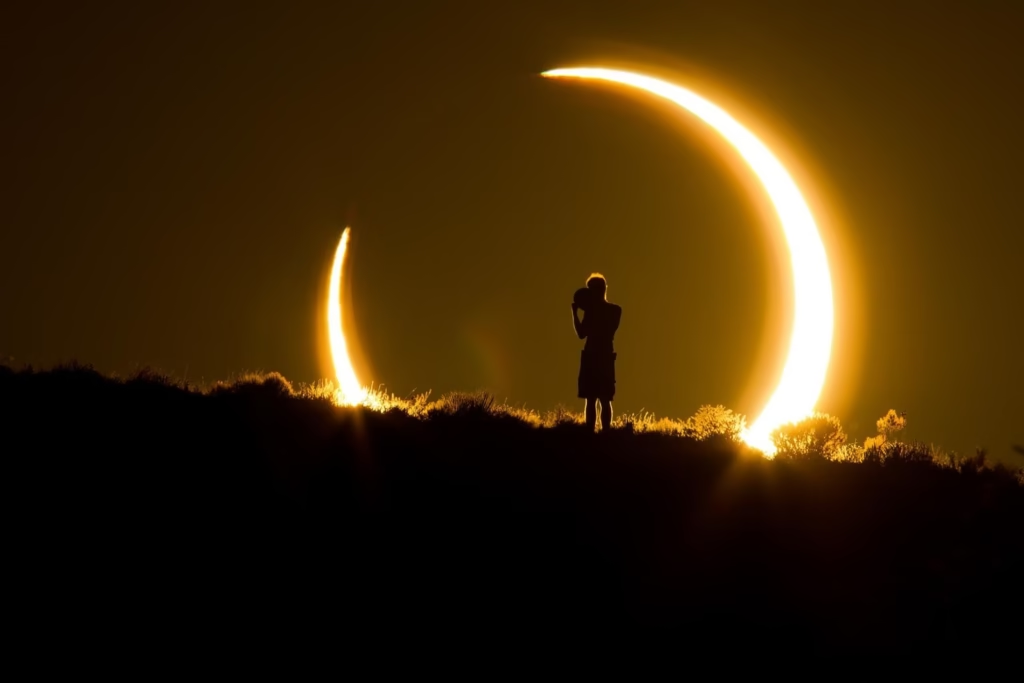
A solar eclipse observed in Albuquerque, New Mexico. PHOTO BY Colleen Pinski
1. Solar / Lunar Rivalry
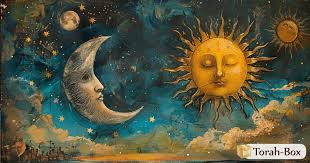
Eclipses result from a feared encounter between the Moon and the Sun. In Ille-et-Vilaine, for example, the Moon is regarded as the equal of the Sun. Should it ever completely cover it, it could stick to it forever, causing eternal darkness. A striking image of a fragile celestial balance.
More often, an eclipse is described as a confrontation between the two celestial bodies. In Loire-Inférieure, some claim to have seen the Moon and the Sun fight, and around Menton, people say they can watch them “grappling.” In Belgian Luxembourg and Limousin, the Sun is seen as the Moon’s spouse, and the eclipse symbolizes a celestial marital quarrel. An anthropomorphic reading that reflects the human need to project one’s conflicts and emotions onto the heavens.
2. The Moon attacked by a griffin
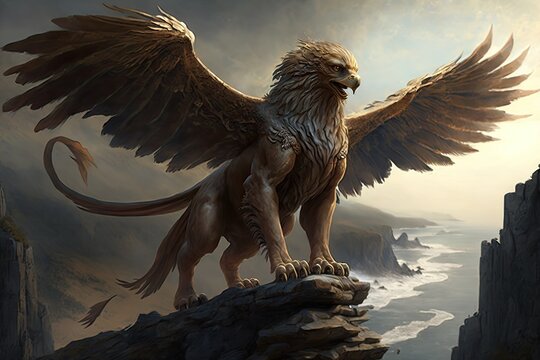
Illustration of a griffin
Other traditions go further, claiming that the Moon is attacked by a monster during eclipses. In Limousin, it is a griffin that places its paws on the nocturnal star.
This myth goes back a long way: as early as the 6th century, the Indiculus paganiarum mentioned the cries « Vince, Luna ! » (“Victory to the Moon!”) shouted by the crowd to encourage the star to defeat the beast. People shouted, drummed, and made noise to frighten the invisible invader.
The folklorist Désiré Monnier recounts witnessing an eclipse in Bresse. He describes the villagers’ reactions, moved to tears, whispering: « My God, how sick she is… » The Moon, likened to a sick person, was compassionate and vulnerable. At the end of the eclipse, a collective sense of relief was expressed: the Moon had triumphed.
Eclipses are not merely confrontations: they are also harbingers of ill omen. For centuries, they have been interpreted as portents of war, epidemics, famine, or natural disasters.
A striking example comes from June 16, 1406, between six and seven in the morning. A "marvelous" eclipse plunged the inhabitants into terror:
« C’estoit grande pitié de voir le peuple se retirer dans les églises, et cuidoit-on que le monde deust faillir. » "It was a great pity to see the people retreat into the churches, and one thought that the world might fail."
Such an event provoked scenes of religious panic. Astronomers were summoned to calm the people, concluding that the eclipse was strange and an omen of great evil to come.